
How sustainable is Royal Dutch Shell’s supply chain?
Royal Dutch Shell PLC (Shell) stands as a dominant player not only within the oil and gas sector but across industries broadly. The organization has maintained a position within the world’s top 10 companies for over a decade. This prominence stems from vertical integration and involvement across all levels of petroleum operations—from exploration through trading. Oil and gas enterprises typically rank poorly on sustainability metrics; many contradict environmental objectives. This examination evaluates Shell’s supply chain sustainability alongside its response to COVID-19.
Understanding supply chain sustainability requires examining CSR ratings of connected companies. Inferess supply chain data revealed economic relationships between organizations globally. The simplified supply chain representation appears above.
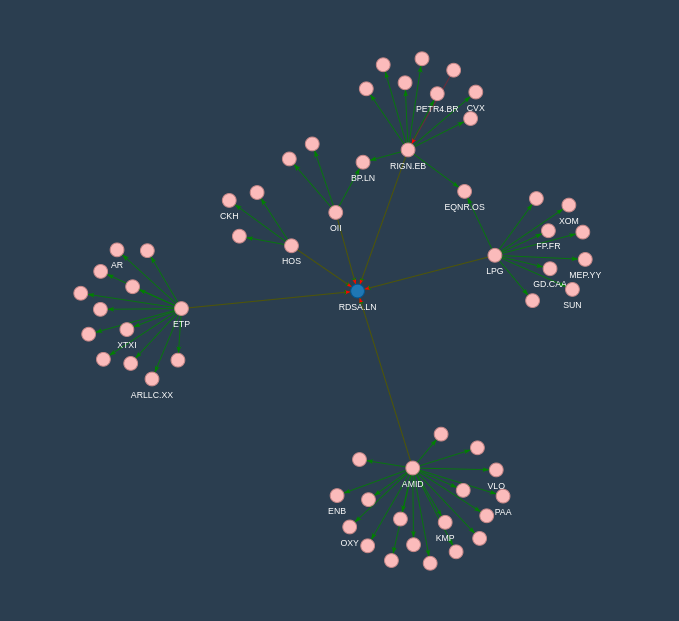
Sustainability and corporate social responsibility data originated from CSRHub, an industry-standard assessment platform. Companies receive ratings from 0 to 100, where 100 represents positive performance. Each supply chain participant received a corresponding sustainability score.
First-Tier Analysis
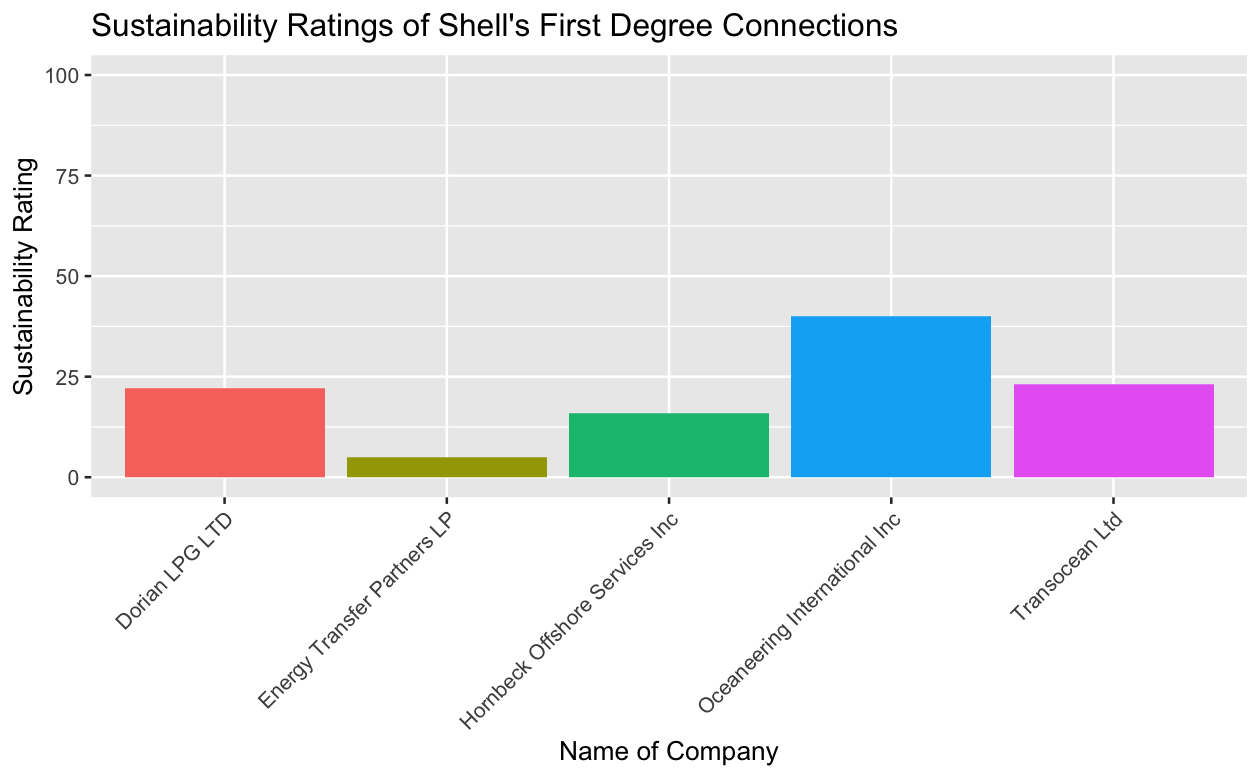
First-degree connections yielded concerning results: minimum rating of 5, maximum of 40, mean of 21.20, and median of 22. These figures suggest weak sustainability commitment among direct suppliers.
Second and Third-Tier Analysis
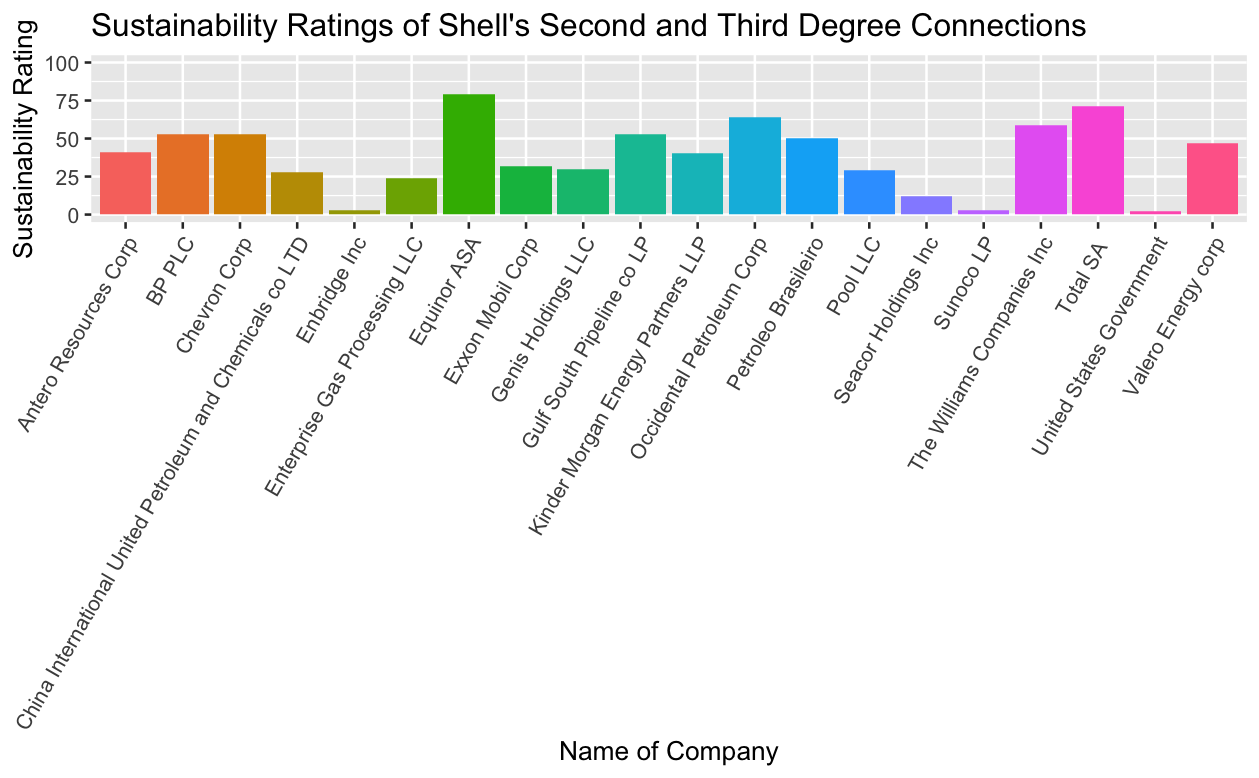
Extended relationships demonstrated greater variance: minimum rating of 2, maximum of 79, mean of 38.65, and median of 40.50. This broader distribution indicates inconsistent sustainability practices deeper within the supply chain.
Shell’s ESG Performance
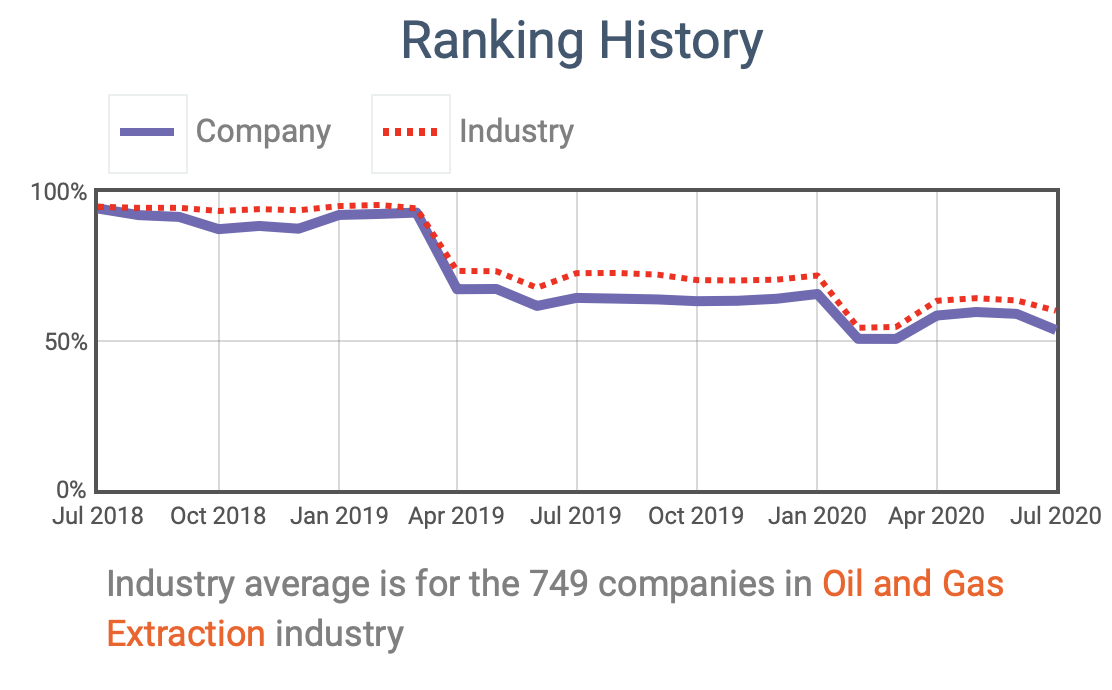
Shell’s current sustainability rating stands at 54.00. Historical analysis reveals the company has maintained ratings above 50 for two years but consistently underperforms industry benchmarks. The inherent tension between fossil fuel operations and environmental commitments emerges through declining trajectory.
The Sustainability Gap
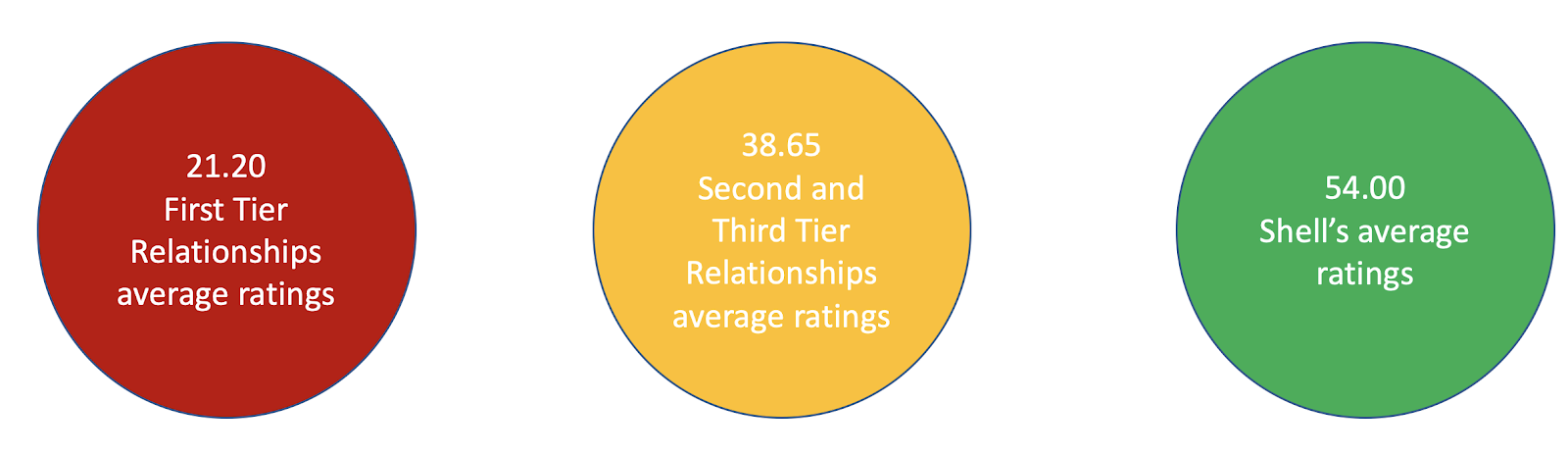
Despite Shell’s 54-point rating, first-degree supplier average of 21.20 represents substantial misalignment. Second and third-degree connections averaging 38.65 demonstrate further inconsistency. While Shell promotes ambitious targets—net-zero emissions by 2050 and 65% carbon intensity reduction by 2050—supply chain players lack comparable commitment.
Implementation Requirements
For sustainability claims to carry validity, Shell must ensure supply chain participants align with organizational values. As global temperatures rise and governments emphasize environmental responsibility, the Paris Climate Agreement establishes frameworks for private and public sector action. Shell’s global presence necessitates evaluating supplier sustainability commitments. Current divergence between organizational standards and supply chain practices requires remedy before environmental initiatives achieve meaningful impact.